
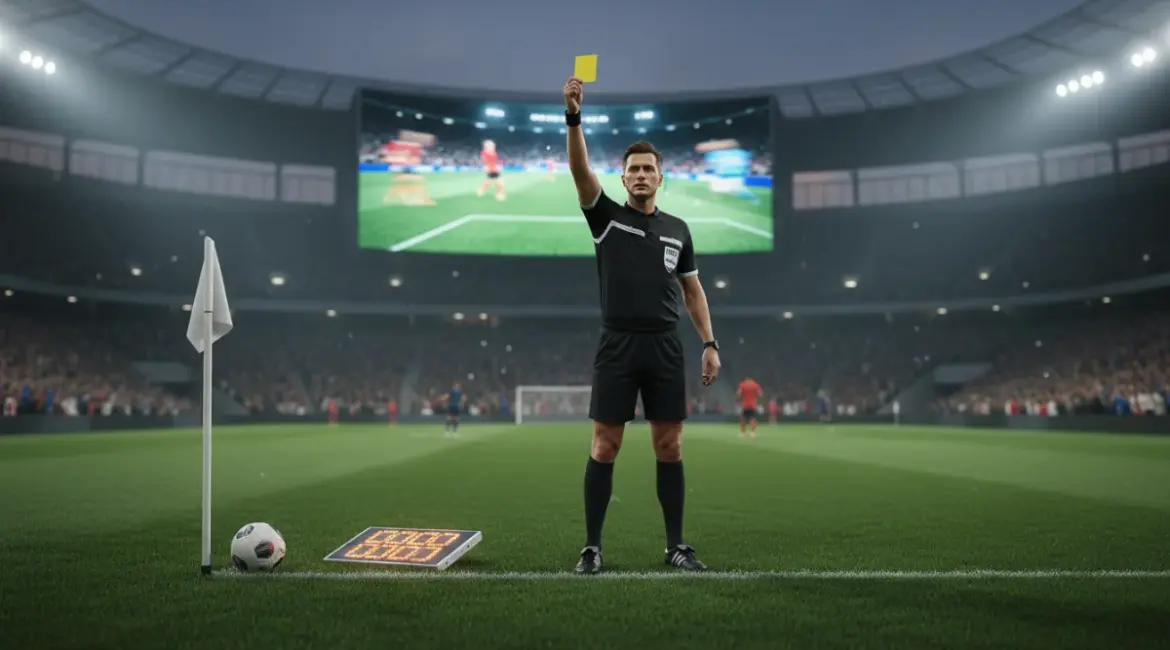
The 2026 FIFA World Cup is expected to look different not only because of its expanded format, but also because of the updated laws that will shape how referees manage each match. These changes are built to reduce delays, tighten discipline, and give officials more tools when players push the limits.
For teams, the new standards mean faster restarts, stricter enforcement, and less room for tactical gamesmanship. For fans, they may create a tournament that feels more controlled, more immediate, and in some moments, more unforgiving.
Why the Rulebook Is Being Reworked
The main goal behind the revisions is simple: make matches flow better and make officiating clearer. Lawmakers want to cut down on time-wasting, improve consistency, and respond more firmly to behavior that can undermine respect for the game.
That matters especially at a World Cup, where the pressure is extreme and every small delay or confrontation can swing momentum. The 2026 edition may become one of the first major tournaments where these ideas are applied on the biggest stage.
Behavioral Crackdowns That Could Produce Red Cards
One of the most talked-about updates involves players covering their mouths during heated exchanges. Under the new approach, that act can be treated as suspicious if it happens during a confrontation.
The concern is that covering the mouth can hide abusive language, discriminatory remarks, or attempts to disguise what was said during a tense moment. In those situations, officials may be empowered to treat the act as a serious offense.
When the Gesture Becomes a Problem
This is not meant to punish every quiet conversation. If players are speaking casually and briefly shielding their words from cameras, that alone should not trigger discipline.
The focus is on hostile or emotionally charged incidents, where the gesture appears to conceal conduct that deserves scrutiny. In other words, context matters as much as the action itself.
Why Officials Want This Tool
Football authorities have been under growing pressure to respond more forcefully to abuse and discrimination. This rule gives referees a clearer way to react when they believe players are trying to hide unacceptable comments.
It also removes some of the ambiguity that can surround post-match investigations by allowing on-field punishment when the behavior appears deliberate.
Walk-Off Protests Will Carry Bigger Risks
Another major shift targets players who leave the field to protest a decision. If a player walks off as part of a dispute with the referee, that action may now lead directly to a red card.
Team officials who encourage a walk-off can also face consequences. The message is that protest is still possible, but abandoning the match is not an acceptable negotiating tactic.
Forfeits May Follow Abandonment
The punishment does not stop with individual discipline. If a team causes a match to be abandoned through a protest walk-off, the result could be a forfeit loss.
That creates a strong deterrent against using mass protest to influence a controversial call. It also gives referees and tournament organizers a more decisive framework for handling extreme disputes.
Restart Timers Will Put Pressure on Slower Teams
Time management at restarts is another area being tightened. Referees will use a visible five-second countdown for selected restarts, making it harder for teams to stretch delays without consequence.
The aim is to keep the ball moving and reduce the kind of small interruptions that can drain a match of rhythm. Late in games, that could become especially important.
How the Countdown Works
The referee raises a hand and begins the count. The team responsible for the restart must act before the timer expires.
If they do not, possession or the restart opportunity can be shifted to the other side, depending on the type of restart involved.
What It Means for Throw-Ins
When a throw-in is delayed too long, the opposing team can be awarded the throw. That makes slow setup routines much riskier than before.
Teams that rely on extra seconds to organize shape or run down the clock may need to change habits quickly.
What It Means for Goal Kicks
If a goal kick is not taken within the required time, the other team can be awarded a corner kick.
That is a major penalty because it turns a defensive restart into an attacking chance. Goalkeepers and defenders will need to be decisive rather than cautious.
Substitutions Will Be More Strictly Managed
Substitutions are also getting a faster, cleaner process. Once the board goes up, the departing player must leave within 10 seconds and use the nearest boundary exit rather than wandering slowly across the field.
The point is to stop substitutions from becoming another hidden source of delay.
| Situation | Expected Action | Possible Consequence |
|---|---|---|
| Late throw-in | Restart within the countdown | Throw goes to the other team |
| Late goal kick | Restart within the countdown | Corner kick to the opponent |
| Slow substitution | Leave within 10 seconds | Substitute may be delayed |
| Outfield treatment | Return after the required wait | Player stays off for one minute |
Why This Matters in Tight Matches
A slow exit or an indecisive change can now affect shape, tempo, and even short-term numbers on the field. A team that manages its substitutions poorly may briefly find itself exposed.
That is one reason coaches will likely drill these procedures before the tournament begins.
Medical Delays Will Not Always Be Free Time
The updated laws also deal with treatment stoppages. If medical staff come onto the field to treat an outfield player, that player will generally need to leave the field for one minute after play resumes.
This rule is meant to reduce tactical treatment breaks that are used to interrupt an opponent’s momentum or to buy time for instructions.
- A goalkeeper injury is treated differently.
- A collision involving a goalkeeper and an outfield player is also exempt.
- A collision between teammates may allow more flexibility.
- Serious injuries, including head injuries or suspected concussions, override the standard wait.
- A player preparing to take a penalty is another exception.
These exceptions show that player safety remains the priority even as referees work to limit needless interruptions.
VAR Will Reach Into More Situations
Video review is already central to modern tournament officiating, but the 2026 World Cup is expected to broaden its use in several specific areas. The goal is not to review everything, but to correct the clearest and most damaging mistakes.
That means more intervention in situations where the original decision is plainly wrong and the correction can be made without dragging down the match.
Second Yellow Card Mistakes
VAR may now step in when a red card comes from a second yellow that is clearly incorrect. That is important because second-yellow incidents have traditionally been difficult to review in the standard process.
Wrong Player Punished
If the referee cautions or dismisses the wrong player, video officials can help fix the error. That should prevent a player from being punished for something a teammate actually did.
Some Corner Kick Errors
VAR can also be used for a limited number of mistaken corner decisions, but only when the correction is immediate and does not create long delays.
This is not a blanket review of every corner. It is intended for clear errors only.
Fouls Before the Ball Is In Play
Another significant update covers fouls that happen before a free kick or corner is actually taken. If an attacking player commits an offense before the ball is live, VAR may recommend a review.
That matters because set-piece battles often involve blocking, holding, and physical movement that can cross the line before the restart even begins.
Hydration Will Be Built Into Every Match
Because the tournament will be played across the United States, Mexico, and Canada, hot weather is a real concern. To protect players, every match will include hydration breaks.
Each half is expected to include a three-minute pause, usually around the middle of the half. Referees will still have some discretion, especially if another stoppage is already happening at the same time.
No Hidden Tactical Breaks During Goalkeeper Treatment
Goalkeeper injuries often create a moment when both teams can regroup. The new rules are meant to prevent that from becoming an unofficial coaching timeout.
If a goalkeeper is being treated, players should not use the pause to gather around staff for extra instructions. The break is for treatment, not strategy.
What Teams Will Need to Adjust
The practical effect of all these changes is that small habits can now lead to big consequences. A team that is casual about restarts, emotional in confrontation, or slow in substitution management may be punished quickly.
Key areas that coaches will likely emphasize include:
- Faster decision-making on goal kicks and throw-ins
- Cleaner communication during disputes with referees
- Discipline around set-piece defending and attacking
- Better rehearsal of substitution and medical procedures
- Stronger awareness of when VAR can intervene
What Fans Are Likely to Notice First
Supporters will probably see more visible referee control than they are used to. Countdown gestures, quicker restart enforcement, and tighter management of substitutions may all stand out early in the tournament.
Fans may also notice that some previously borderline incidents are now treated more seriously, especially when they involve concealment, protest, or tactical delay.
The result should be a match environment that feels less open to manipulation, even if it occasionally feels stricter than what viewers expect.
Why the Tournament Could Feel Different
These changes are not designed to alter the spirit of the World Cup, but they will likely influence its rhythm. More time may be spent on discipline and less on stalling, which could make matches feel sharper and more continuous.
If the new rules are applied consistently, teams will adapt, referees will gain stronger tools, and the tournament may produce fewer stoppage-related controversies. If they are applied unevenly, however, debate over interpretation could become part of the story as well.