
What set off the fight
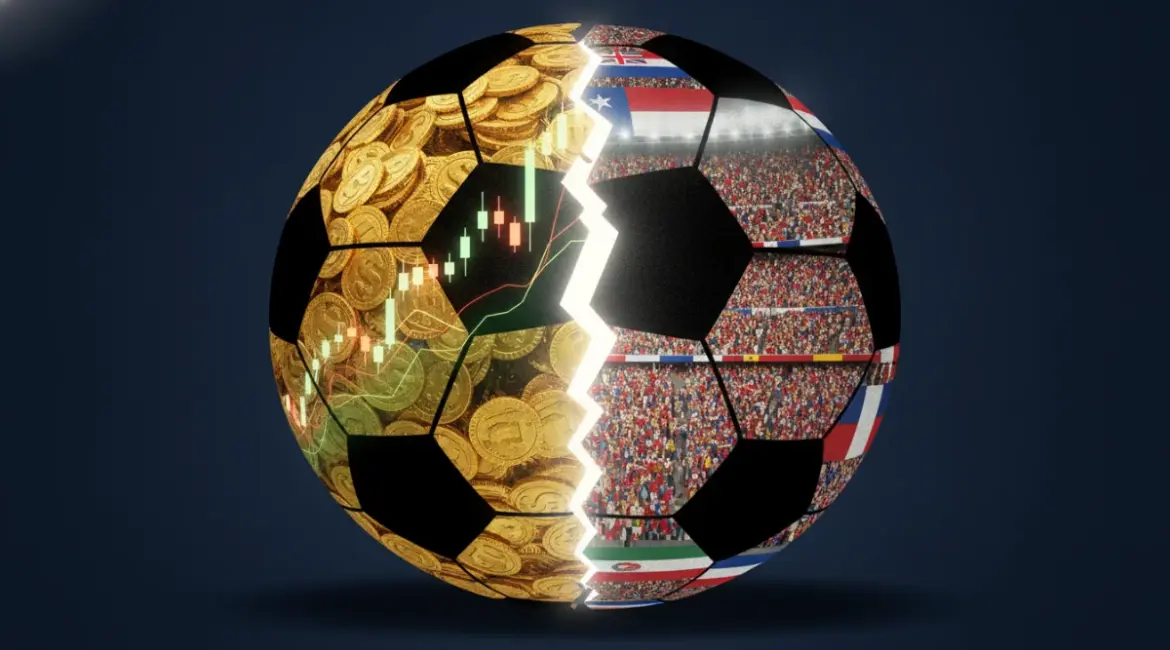
Football’s power structure is under pressure after FIFA pushed a private investment plan tied to its biggest competitions. The proposal, centered on selling minority stakes to outside backers, triggered immediate resistance from several of the sport’s largest confederations.
At the center of the storm is FIFA president Gianni Infantino, who gave member federations a September 19 deadline to approve the idea. The plan reportedly involves Thrive Eternal, an investment fund led by Joshua Kushner, and it would open the door to outside money in World Cup-related properties.
The reaction was swift because many federations view the move as a break from football’s traditional governance model. The concern is not only about ownership, but also about speed, transparency, and who gets to shape the sport’s future.
Who pushed back
- UEFA approved a unanimous boycott stance and said it would back away from FIFA competitions, including World Cups, unless the investment plan is dropped.
- CONCACAF rejected the proposal and criticized the lack of transparency and the short deadline, though it stopped short of threatening a boycott.
- The AFC sided with the concerns raised by Europe and North America and warned that the issue should worry anyone who cares about the game’s future.
- Mexico has not taken a final position and says it needs more time to review the details.
Africa, South America, and Oceania had not yet held formal votes, leaving FIFA without the broad support it needs to claim consensus.
Why the reaction matters
UEFA’s position carries unusual weight because it represents the richest and most influential leagues in world football, including the Premier League, La Liga, and Serie A. If Europe stays firm and Asia and North America remain opposed, FIFA would be facing more than a procedural dispute. It would be confronting a political revolt from the sport’s most powerful regions.
FIFA tried to calm the backlash by dismissing some of the reporting around the plan as inaccurate and insisting that its consultation process would continue. But that response did little to slow the criticism.
The pressure increased again when Carlos Cordeiro, one of Infantino’s senior advisers, resigned over the proposal. That exit suggested that the disagreement is not limited to outside federations. It is reaching into FIFA itself.
What happens next
The immediate question is whether any federation will actually refuse to show up when FIFA competitions begin. The next major test is the FIFA Under-20 Women’s World Cup in Poland next month, which could become the first real measure of whether the dispute stays political or turns into a practical boycott threat.
There is also a bigger political consequence. Infantino had been expected to move toward another term as FIFA president through 2031, with the election process already on the calendar. After this week’s backlash, that path looks far less secure.
- The deadline for support is September 19.
- The first possible tournament flashpoint is the Under-20 Women’s World Cup.
- The broader issue is whether FIFA can move money into the game without losing trust.
For now, the fight is bigger than one investor proposal. It is about who controls football’s most valuable assets and whether the game’s governing body can push through a major financial change without breaking its own coalition.